Understanding AI-Powered Phishing: How to Protect Yourself
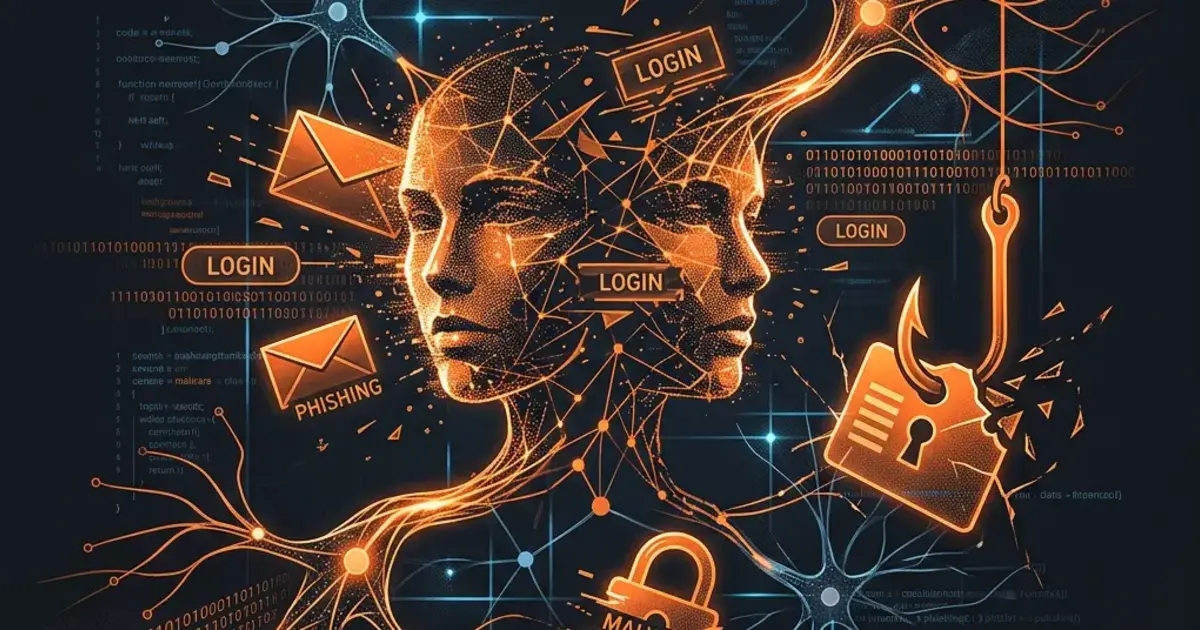
Protecting yourself starts with understanding the tools attackers use. In the past, identifying a phishing attempt was relatively easy. Today, Generative AI is making those old red flags disappear.
With the rise of Generative AI, attackers are no longer limited by language barriers or manual effort. They are now launching sophisticated, AI-driven campaigns that are nearly indistinguishable from legitimate corporate communications.
How AI is Changing the Game
The integration of AI into the attacker’s toolkit has introduced three major shifts in the threat landscape:
- Perfect Communication: Tools like ChatGPT allow hackers to generate flawless, professional-grade emails in any language. The “bad grammar” warning sign is officially dead.
- Deepfake Vishing: Attackers can now use AI to clone the voice of a CEO or a family member, making fraudulent phone calls (vishing) incredibly convincing.
- Automated Personalization: AI can scan social media profiles to create “spear-phishing” messages tailored specifically to your interests and professional background at massive scale.
The Rise of Polymorphic Threats
Beyond just the message, AI is being used to create polymorphic URLs. These are links that look different for every victim or change their destination based on the device accessing them, making them extremely difficult for traditional security filters to catch.
How to Protect Yourself in the AI Era
When human intuition is no longer enough to spot a fake, we must rely on a “Zero Trust” approach and advanced verification tools.
- Verify, Don’t Trust: Always assume that any urgent request for data or money is suspicious, even if it sounds like someone you know.
- Use Multi-Factor Authentication (MFA): Hardware keys or authenticator apps are essential to prevent credential theft.
- Independent Verification: Never click a link directly from an email. Instead, use an independent analysis tool to inspect the destination safely.
Conclusion
The battle for digital security is no longer just person-vs-person; it is now system-vs-system. As AI makes scams more “human,” our best defense is a combination of constant skepticism and robust technological verification.
Defend your data: Before clicking any link, ensure it is safe by scanning it with CheckLink. Stay one step ahead of AI-driven threats.