Phishing 101: How to Identify and Prevent Digital Scams
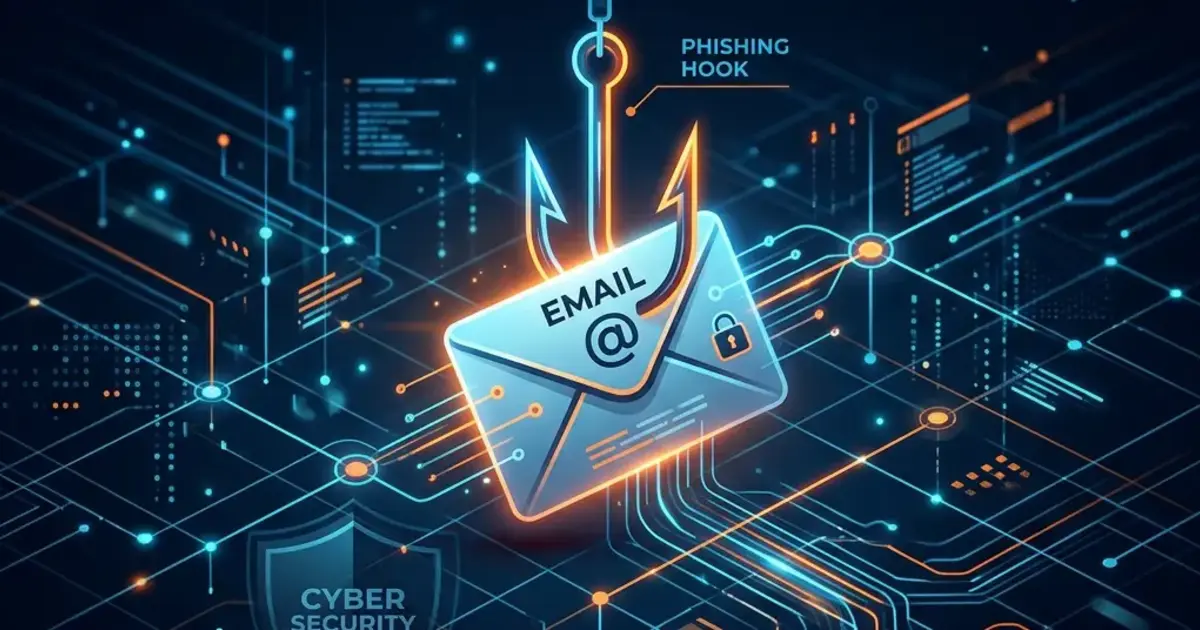
Awareness is your first line of defense. As digital security evolves, attackers have turned their focus toward the most vulnerable target: human psychology.
Phishing is no longer just a simple email scam. It is a sophisticated method used in over 90% of data breaches. This guide will teach you how these attacks work and how to protect your identity.
The Anatomy of an Attack
A modern phishing operation is no longer a generic “broadcasting” effort. Today, criminals impersonate trusted entities — such as global banks, corporate HR departments, or government agencies — with surgical precision.
The operation typically follows a three-stage protocol:
- The Lure: A message is delivered via email, SMS, or social media, often utilizing a tone of extreme urgency or authority to bypass critical thinking.
- The Hook: The recipient is directed to a malicious domain that is visually indistinguishable from a legitimate portal.
- The Capture: Once credentials or financial data are entered, they are harvested instantly, often followed by a redirect to the actual site to mask the theft.
Identifying the Red Flags
While attackers have become more sophisticated, several hallmarks of a phishing operation remain consistent.
The first is the mismatched URL. An email may claim to be from a secure institution, yet the destination link resolves to a non-standard domain or a subtly misspelled variation of the original.
The second is the forced urgency. Statements such as “Your account will be suspended within 24 hours” are designed to trigger a flight-or-fight response, making the user more likely to overlook security protocols.
Defensive Strategies
Experts agree that awareness is the first line of defense. However, technical tools are becoming increasingly necessary to supplement human judgment.
Security protocols now recommend:
- Verifying all unexpected links through independent verification tools.
- Mandatory use of hardware-based multi-factor authentication (MFA).
- Regular auditing of digital permissions and account access logs.
Conclusion
The war against phishing is won through a combination of technological vigilance and psychological awareness. As digital threats continue to rise, the ability to discern the authentic from the fraudulent has become the most essential skill in the modern era.
Stay safe: Before engaging with any suspicious digital communication, verify the destination link through CheckLink to cross-reference it against global threat databases.